
The field of sleep medicine is undergoing a profound transformation. Virtual personalized sleep care, continuous sleep tracking, and Dr. Sahil Chopra of Empower Sleep are not just buzzwords—they represent a paradigm shift in how we diagnose, treat, and understand sleep disorders. Once reliant on one-night lab studies and narrow treatment pathways, sleep care is now moving toward long-term data, remote access, and highly individualized treatment strategies. This article explores the rise of personalized, virtual sleep health solutions, where technology and clinical insight intersect to improve outcomes and patient experiences.
🎧 Prefer to listen? This article is based on insights from the podcast episode: Solving the Sleep Crisis: A Deep Dive into Personalized, Virtual Care. You can play it here:
Why Virtual Personalized Sleep Care Is Replacing Outdated Models
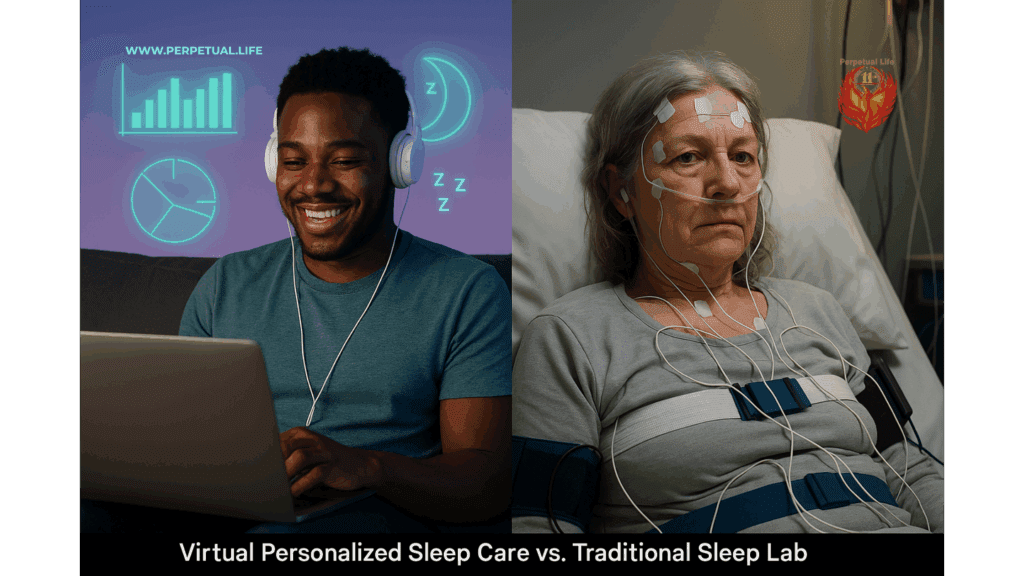
Traditional systems of sleep care were designed around one-night sleep studies conducted in labs. While useful for diagnosing conditions like sleep apnea, they provide only a narrow snapshot of sleep behavior. This snapshot fails to capture the variability in sleep patterns influenced by stress, lifestyle, or diet. As experts such as Dr. Sahil Chopra of Empower Sleep have emphasized, the system became “complex, expensive, and broken.”
The shift toward virtual personalized sleep care seeks to overcome these barriers. By decentralizing testing, broadening access to under-served populations, and tailoring treatment interventions based on richer data, this model is reshaping patient experience. Instead of requiring individuals to spend a night in a sleep lab, care can now begin in the comfort of their own homes, aligning with modern expectations for accessibility and personalization.
👉 We’d love to hear from you—would you personally consider trying a virtual-first approach to sleep care?
Continuous Sleep Tracking Delivers Deeper Insights
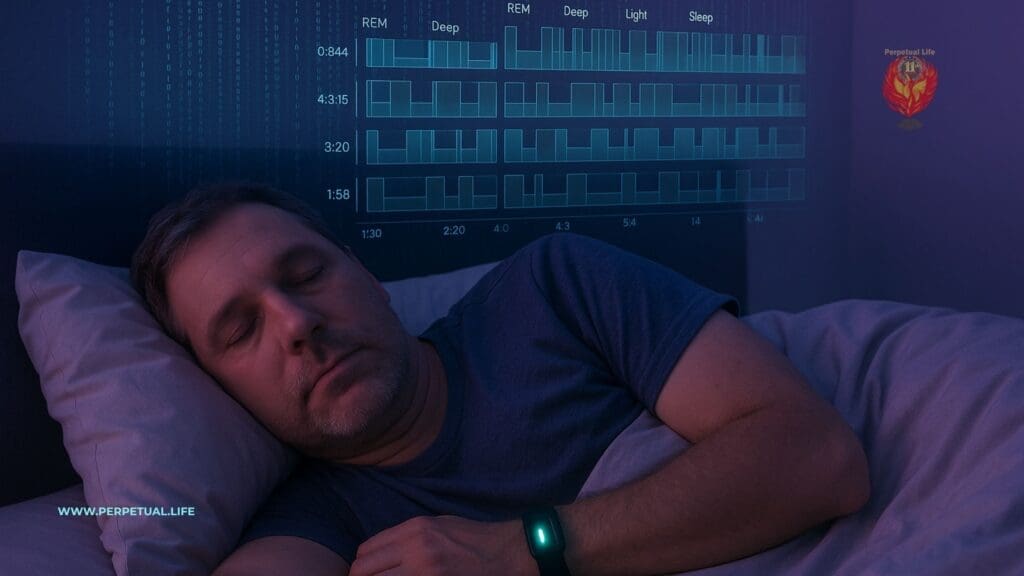
The introduction of continuous sleep tracking is one of the most significant innovations in sleep medicine. Unlike single-night tests, continuous sleep tracking leverages medical-grade devices to record sleep over weeks or months. This allows clinicians to identify trends such as whether apnea worsens after alcohol consumption, whether stress consistently disrupts REM cycles, or if work schedules shift sleep quality.
Leaders like Dr. Sahil Chopra of Empower Sleep argue that this type of data empowers clinicians to design more targeted interventions. Diagnosis is no longer a binary yes or no—it becomes about how, when, and why sleep issues occur. This depth of understanding is essential for patients whose sleep disorders vary based on context, lifestyle, and co-existing health conditions.
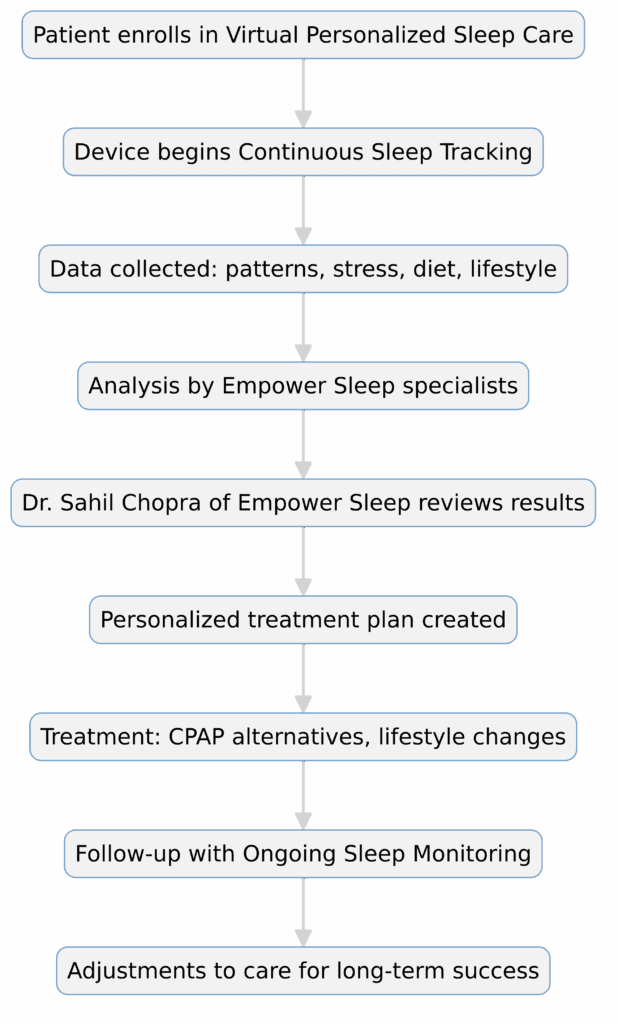
*This flowchart shows the journey a patient might take with continuous sleep tracking, from enrollment to long-term care.
Flowchart of Continuous Sleep Tracking Process
Your perspective matters: do you think continuous sleep tracking provides deeper insight than a one-night test?
Expanding Access Through Virtual Personalized Sleep Care

Accessibility has long been one of the greatest challenges in sleep medicine. Sleep labs are often concentrated in urban centers, leaving rural and underserved populations without practical options. Many patients wait months for an appointment, only to undergo a single-night test that may or may not reflect their true sleep challenges.
Through virtual personalized sleep care, patients can now undergo evaluations, receive diagnoses, and begin treatment entirely from home. Platforms integrating with insurance make care more affordable, while telehealth consultations allow patients and providers to review data collaboratively. As Dr. Sahil Chopra of Empower Sleep and other thought leaders highlight, virtual models are not just convenient—they are scalable, reaching tens of thousands who were previously excluded.
To better understand how virtual personalized sleep care works, here’s a simple diagram of the new model.

Diverse Treatment Options Enhance Patient Adherence
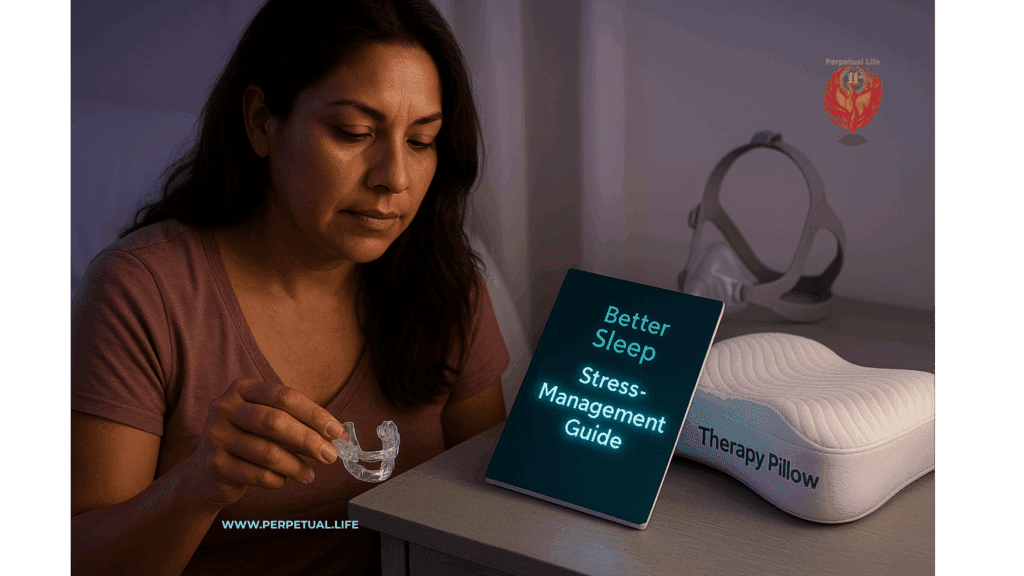
For decades, CPAP machines were the default treatment for sleep apnea. Yet, adherence rates remain notoriously low, with many patients struggling with mask discomfort, noise, and inconvenience. This narrow approach has long been one of the failures of traditional sleep medicine.
Virtual personalized sleep care expands beyond this one-size-fits-all model. Alternatives include oral appliances, positional therapy, stress reduction techniques, and lifestyle adjustments such as exercise timing and diet changes. Clinicians like Dr. Sahil Chopra of Empower Sleep argue that offering a menu of options ensures higher adherence and better long-term outcomes. Continuous sleep tracking supports these alternatives by verifying their effectiveness in real-world contexts, giving patients confidence that their treatment truly works.
Personalized Plans Powered by Continuous Sleep Tracking
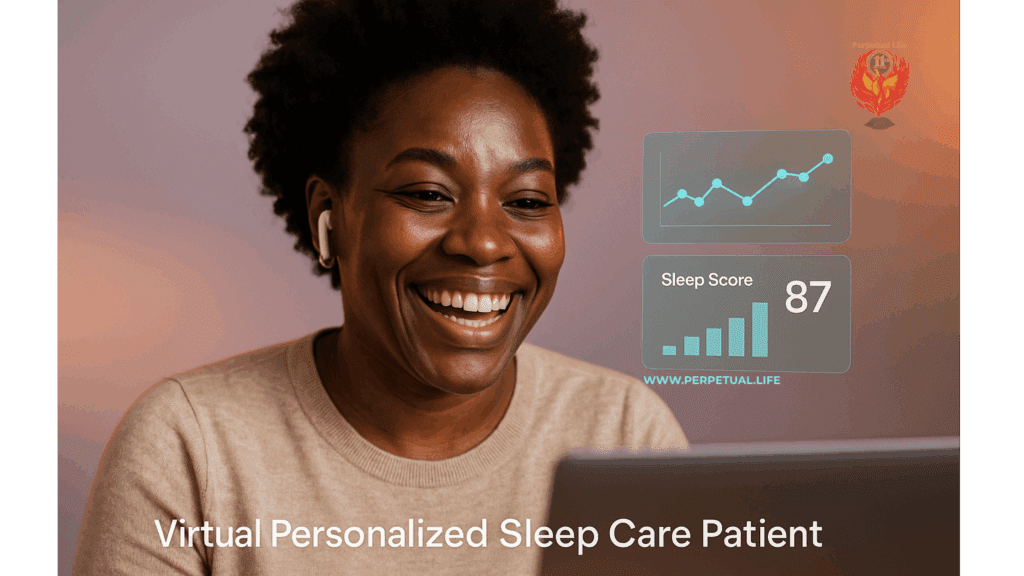
The cornerstone of this new era is the integration of continuous sleep tracking with holistic health data. Instead of issuing cookie-cutter prescriptions, providers analyze long-term sleep trends alongside a patient’s medical history, stress levels, and lifestyle factors.
In practice, this means that two patients with identical apnea diagnoses might receive very different treatments—one focusing on stress management, another on dietary adjustments. As Dr. Sahil Chopra of Empower Sleep explains, personalization ensures that care adapts as the patient’s life changes. This represents a shift from episodic care to a truly continuous, patient-centered model, where treatment evolves in step with patients’ lived realities.
Patient Stories Highlight the Human Impact of Virtual Personalized Sleep Care

The power of virtual personalized sleep care is best understood through patient outcomes. Consider an individual who once struggled with mask abrasions and discomfort from CPAP—through a personalized plan guided by continuous sleep tracking, their provider was able to recommend alternative devices and adjustments that improved both comfort and adherence.
Another patient described their telehealth sessions as “fun” and empowering, highlighting how clinicians like Dr. Sahil Chopra of Empower Sleep are fostering new levels of engagement and trust. These stories illustrate how data and personalization are not just clinical tools—they reshape the human experience of care, making sleep health more approachable and sustainable.
Continuous Sleep Tracking Connects to Broader Health Risks

The importance of continuous sleep tracking extends far beyond sleep itself. Untreated sleep disorders are linked to stroke, dementia, atrial fibrillation, heart failure, diabetes, and metabolic dysfunction. By continuously monitoring sleep patterns, clinicians can intervene earlier and integrate findings into broader preventive strategies.
As Dr. Sahil Chopra of Empower Sleep emphasizes, sleep is not simply “rest”—it is an active biological process essential to every organ system. Poor sleep increases risks of chronic illness, weakens immunity, and diminishes quality of life. Understanding and optimizing sleep, therefore, is not only a clinical necessity but also a matter of public health.
Scaling Virtual Personalized Sleep Care Nationwide

Evidence shows that virtual personalized sleep care can scale effectively. Programs are now active across dozens of states, serving thousands of patients with measurable improvements in sleep duration, energy, and overall health.
Reports from clinics illustrate that patient satisfaction rises when care is convenient, data-driven, and adaptable. Specialists such as Dr. Sahil Chopra of Empower Sleep underscore that scalability depends not only on technology but also on maintaining the personal, human-centered element of medicine. The model works precisely because it blends continuous sleep tracking with compassionate, individualized support.
Let’s look at a timeline of how sleep care has evolved—from traditional labs to today’s virtual personalized solutions.

Interested in applying these insights to your own health?
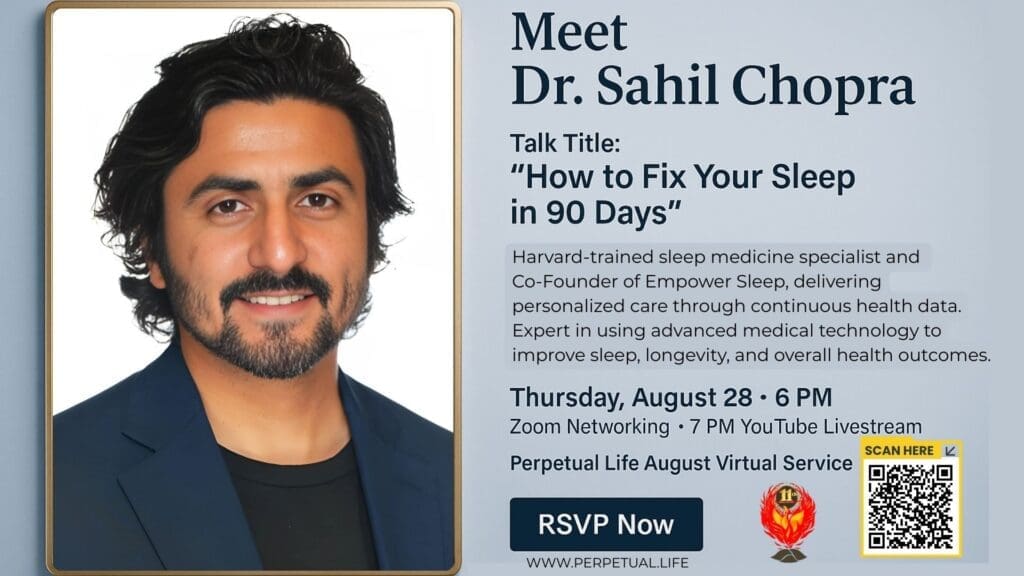
Join Dr. Sahil Chopra of Empower Sleep at the upcoming Perpetual Life Virtual Service: Sleep Better, Live Longer: Wellness & Future Care Planning.
His featured talk:
“How to Fix Your Sleep in 90 Days.”
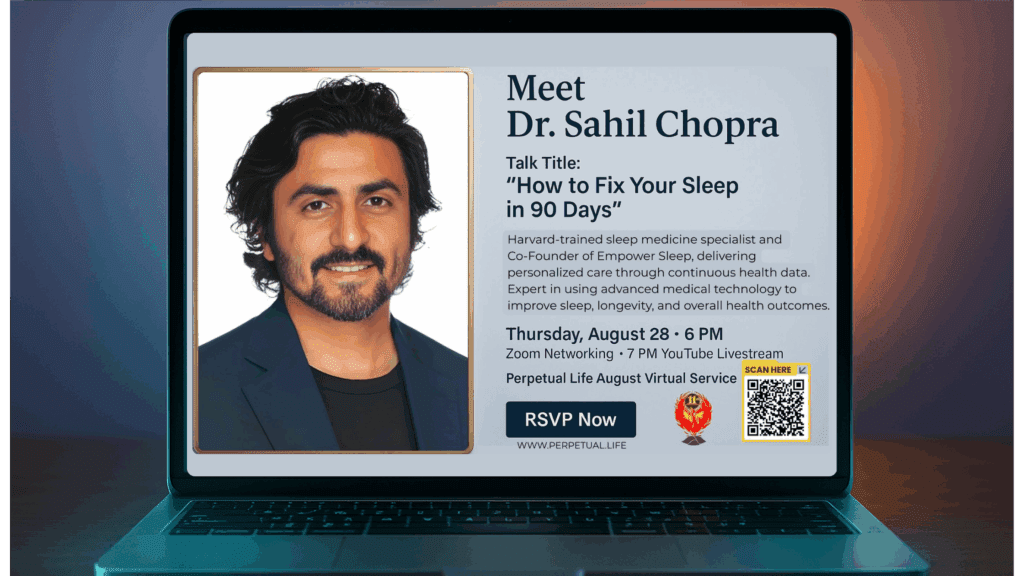
(Reserve your spot today and learn directly from one of the leading innovators in sleep health.)
Imagine attending a live session with one of the field’s leaders—would that interest you?
The Future of Healthcare and Lessons from Virtual Personalized Sleep Care
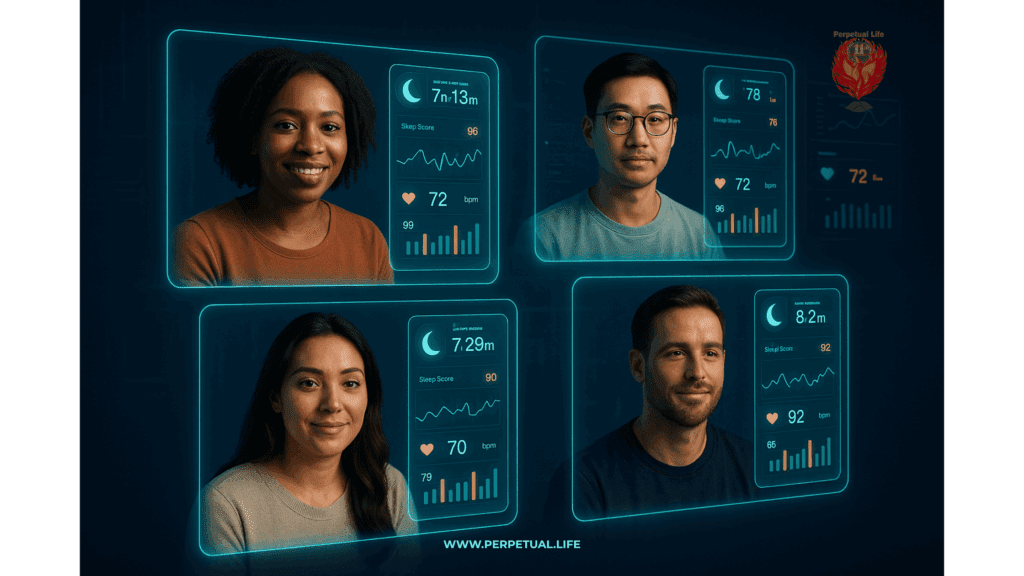
The innovations driving virtual personalized sleep care have implications far beyond sleep medicine. Other specialties grappling with “complex, expensive, and broken” systems—such as diabetes, hypertension, and mental health—may benefit from similar approaches.
By combining continuous sleep tracking, virtual access, and personalized interventions, healthcare can become more effective, affordable, and inclusive. As leaders like Dr. Sahil Chopra of Empower Sleep argue, sleep medicine may be the proving ground for the future of holistic, tech-enabled care.
FAQ: Virtual Personalized Sleep Care

Conclusion: Virtual Personalized Sleep Care, Continuous Sleep Tracking, and Dr. Sahil Chopra of Empower Sleep
The rise of virtual personalized sleep care, continuous sleep tracking, and Dr. Sahil Chopra of Empower Sleep marks a turning point in healthcare. What was once fragmented, costly, and impersonal is becoming data-driven, accessible, and deeply individualized.
By moving beyond snapshots to continuous monitoring, by expanding treatment options beyond CPAP, and by placing patients at the center of care, this model demonstrates how medicine can evolve.
The future of healthcare may well be shaped by lessons from sleep: continuous insight, virtual accessibility, and personalized care.
Call to Action: Join Dr. Sahil Chopra, MD, Co-Founder & Chief Medical Officer at Empower Sleep, at the upcoming Perpetual Life Virtual Service: Sleep Better, Live Longer: Wellness & Future Care Planning where he will present his featured talk: “How to Fix Your Sleep in 90 Days.”
Disclaimer & Credits
This article is provided for informational and educational purposes only. It is not intended as a substitute for professional medical advice, diagnosis, or treatment. Always seek the advice of your physician, sleep specialist, or other qualified health provider with any questions you may have regarding a medical condition. Never disregard professional medical advice or delay seeking it because of something you have read here.
Content Creation: Portions of this article were developed in collaboration with ChatGPT, an AI language model created by OpenAI, and refined through editorial input and curation.
Source Material: Insights and information were drawn from the NotebookLM “Sleep Care” podcast episode and other publicly available health resources.
Editorial Review: Perpetual Life reviewed, edited, and curated the final version for clarity and accuracy.