Reversing Aging – A Look into the Future of Longevity
In the original RAADcast: Roadmap to Super Longevity episode uploaded on April 2, 2025, Dr. Gregory Fahy, a pioneer in
aging research and regenerative medicine, reveals cutting-edge discoveries in thymus
regeneration and its profound implications for biological aging. His revolutionary work offers a
glimmer of hope in reversing the aging process, not just by increasing lifespan, but by improving healthspan, the portion of life spent in optimal health.

Want to dive deeper into thymus regeneration and its potential for reversing aging? Watch this
RAADcast episode where Dr. Greg Fahy shares his groundbreaking research on immune
health and how thymus regeneration could be the key to a longer, healthier life. In this
episode, Dr. Fahy explains how his team is tackling the aging process with cutting-edge
therapies.
Watch the replay: Reversing Aging: Dr. Greg Fahy’s Research on Thymus Regeneration and Immune Health | RAADcast
As more people face the inevitable decline of their bodies due to aging, longevity science has
become a crucial area of research. Dr. Fahy’s groundbreaking research opens up new
possibilities in the pursuit of longer, healthier lives. Through therapies such as growth
hormone, DHEA (Dehydroepiandrosterone), NAD precursors, and senolytic drugs, the
future of aging is not only extended but also improved in terms of quality.
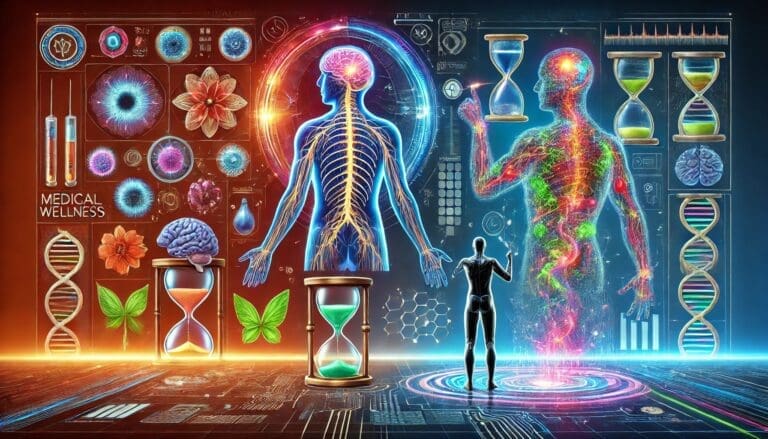
Diagram for The Science of Human Longevity
Before we explore the therapies transforming
human lifespan, let’s first understand the biological foundation of longevity and how aging
impacts the body at a cellular level.
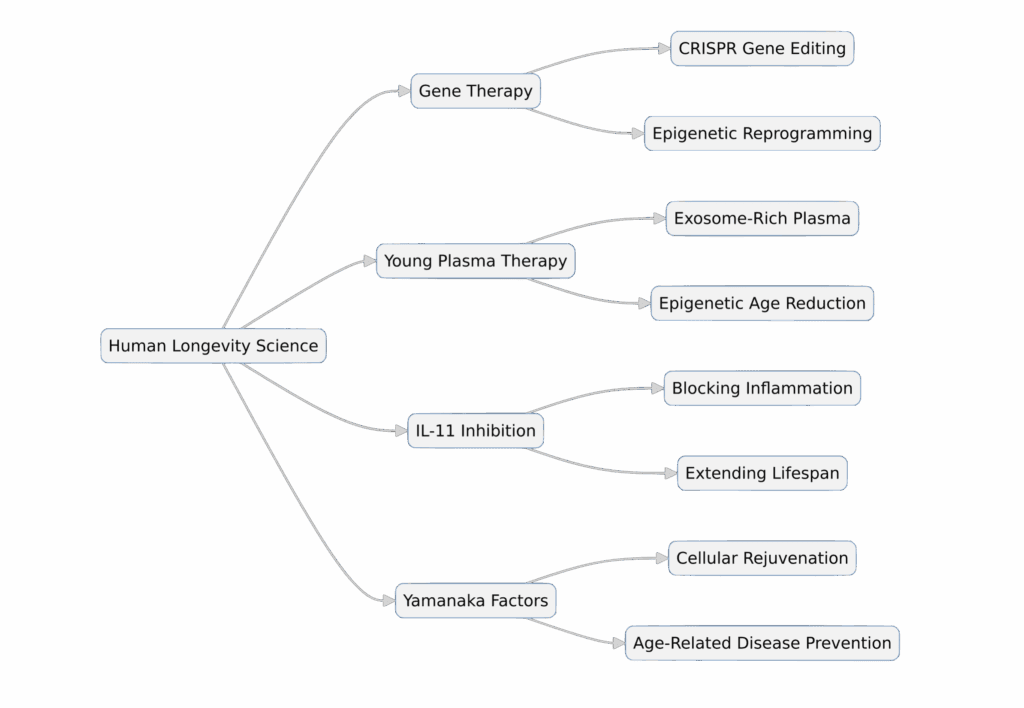
*This chart maps the essential systems influencing longevity—highlighting where therapeutic
interventions can reverse biological aging.
Poll:
From cellular repair to immune system rejuvenation, multiple approaches are
converging in the quest to slow or even reverse aging.
Diagram: Age Reversal and Longevity Strategies
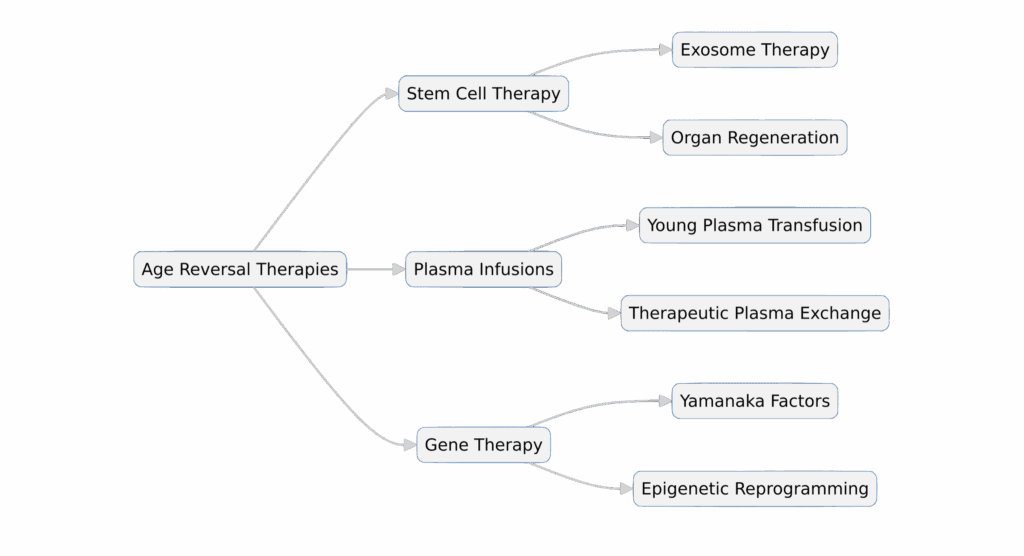
This visual highlights the core approaches—hormonal, metabolic, genetic—used in modern
longevity science.
Understanding Thymus Regeneration: The Key to Reversing Aging

The thymus gland plays a critical role in the immune system, responsible for producing
T-cells, the body’s first line of defense against infections and diseases, including cancer.
However, as we age, the thymus undergoes thymic involution, which causes it to shrink and
reduce its function. This loss of immune function is a key factor in the decline of the body’s
ability to defend against diseases as we age.
Dr. Fahy’s revolutionary discovery shows that it’s possible to regenerate the thymus, a
breakthrough that has the potential to reverse the decline in immune function and rejuvenate the
body’s natural defense mechanisms. By regenerating the thymus, the body can replenish
T-cells, boosting the immune system and reversing biological aging markers. This is a
game-changer, as it challenges the idea that immune system decline is a natural and
irreversible part of aging.
Dr. Fahy’s TRIM protocol targets immune aging at the source by restoring thymic function.
Diagram: How Thymus Rejuvenation Reverses Immune Aging
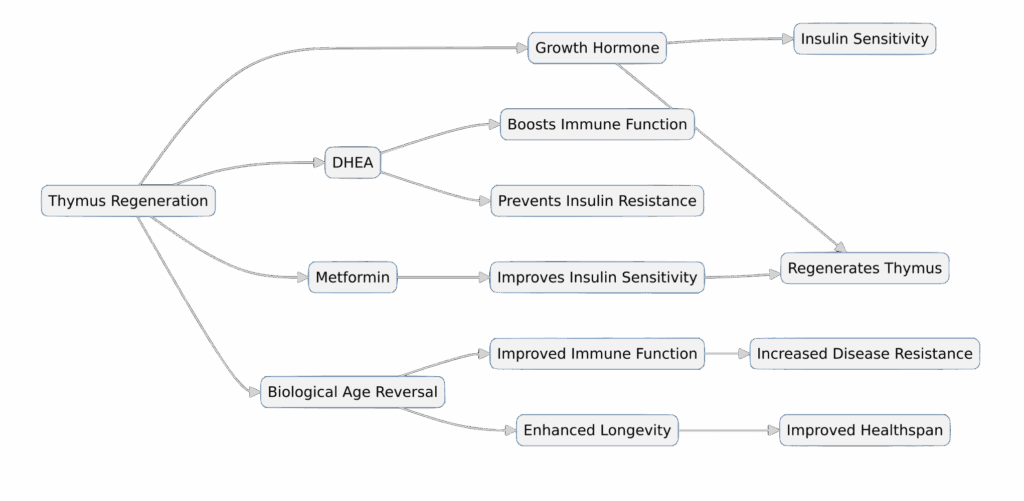
*This diagram visualizes the TRIM protocol in action—showing how growth hormone, DHEA, and
metformin combine to regenerate the thymus, rejuvenate immune cells, and reduce biological age
markers across the body.
The Role of Growth Hormone and DHEA in Regenerating the Thymus

One of the most exciting findings in Dr. Fahy’s research is the role of growth hormone in
thymus regeneration. Growth hormone, which naturally declines as we age, plays a critical role
in cellular regeneration and tissue repair. By stimulating the thymus, growth hormone can help
rejuvenate immune function, which is crucial in combating diseases and improving overall
vitality.
However, growth hormone has its limitations and side effects, particularly insulin resistance,
which increases the risk of metabolic disorders like diabetes. To counteract this, Dr. Fahy
discovered that combining growth hormone with DHEA (Dehydroepiandrosterone) could
optimize the benefits while minimizing potential negative effects. DHEA, a hormone produced by
the adrenal glands, helps maintain energy levels, enhance immune function, and prevent
insulin resistance, making it an essential supplement in aging reversal therapies.
Together, growth hormone and DHEA work synergistically to regenerate the thymus and
rejuvenate the immune system, laying the foundation for healthspan extension and providing
new hope for those looking to fight the effects of aging.
Here’s a step-by-step look at how cellular and immune aging can be reversed through
integrated therapies
Diagram: Path to Age Reversal
*From hormonal stimulation to cellular renewal, this diagram outlines the journey of reversing
biological age.
NAD Precursors and Senolytic Drugs: The New Frontiers in Aging Reversal
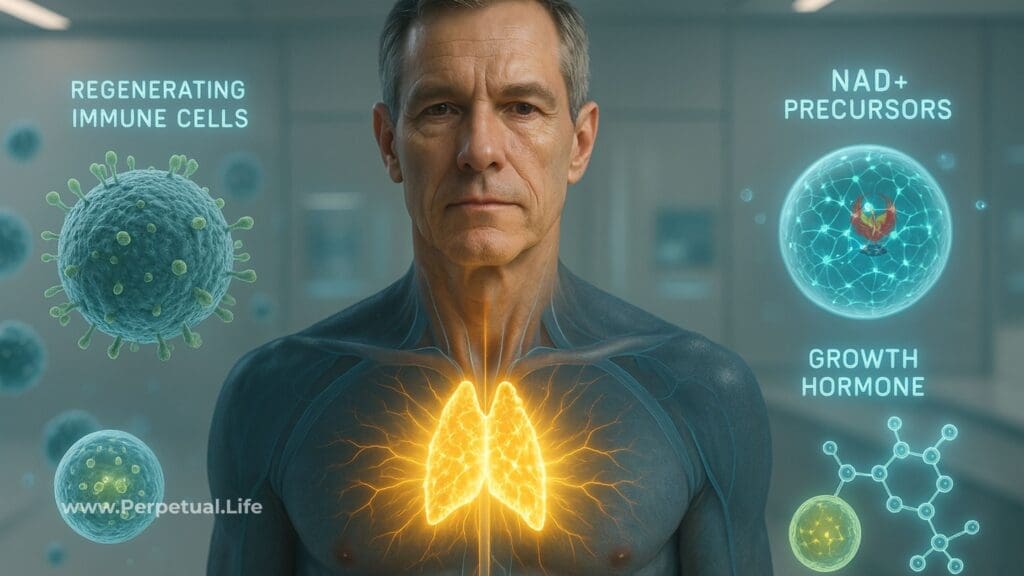
In addition to growth hormone and DHEA, two other therapies have gained considerable
attention in the realm of longevity: NAD precursors and senolytic drugs. NAD (Nicotinamide
Adenine Dinucleotide) is a coenzyme present in every cell of the body, playing a vital role in
cellular energy production and overall cell health. As we age, NAD levels naturally decline,
leading to fatigue, cognitive decline, and a general reduction in cellular efficiency.
By supplementing with NAD precursors such as nicotinamide riboside (NR) and
nicotinamide mononucleotide (NMN), the body can restore NAD levels, rejuvenating cells,
improving mitochondrial function, and enhancing energy production. This leads to better
physical performance, mental clarity, and a general sense of well-being. These compounds
represent some of the most promising advancements in biological aging and are being widely
studied for their potential to slow down the aging process and extend the healthspan.
Another exciting development in aging science is senolytic drugs. These drugs are designed
to target and eliminate senescent cells, which are aged cells that have stopped dividing but
continue to secrete harmful substances that contribute to inflammation and tissue dysfunction. By removing these cells, senolytics help reduce chronic inflammation and promote healthier tissue regeneration. Studies show that senolytics could play a pivotal role
in improving age-related conditions, reducing the burden of diseases like arthritis, cancer, and
Alzheimer’s.
Personalized Medicine: Tailoring Longevity Therapies to Individual Needs

The future of aging reversal lies in personalized medicine—designing specific treatments
based on individual biomarkers and genetic profiles. Dr. Fahy’s research indicates that the
most effective way to regenerate the thymus and extend healthspan is through personalized
treatments. By analyzing biomarkers such as telomere length, epigenetic age, and immune
cell counts, scientists can create targeted therapies that provide the best results for each
individual.
Personalized approaches could involve the combination of growth hormone, DHEA, NAD
precursors, and senolytics, calibrated to meet the specific needs of the person. These
treatments could be tailored to address age-related health issues, including immune system
decline, metabolic disorders, and cognitive impairment. With advances in genomic testing and
biomarker analysis, this approach will make longevity treatments more precise and effective,
paving the way for a future where aging reversal is not a one-size-fits-all approach, but rather
one customized for the individual.
Table: Timeline of Age Reversal Advancements
Scientific breakthroughs didn’t happen overnight. This table tracks major milestones in age
reversal research.
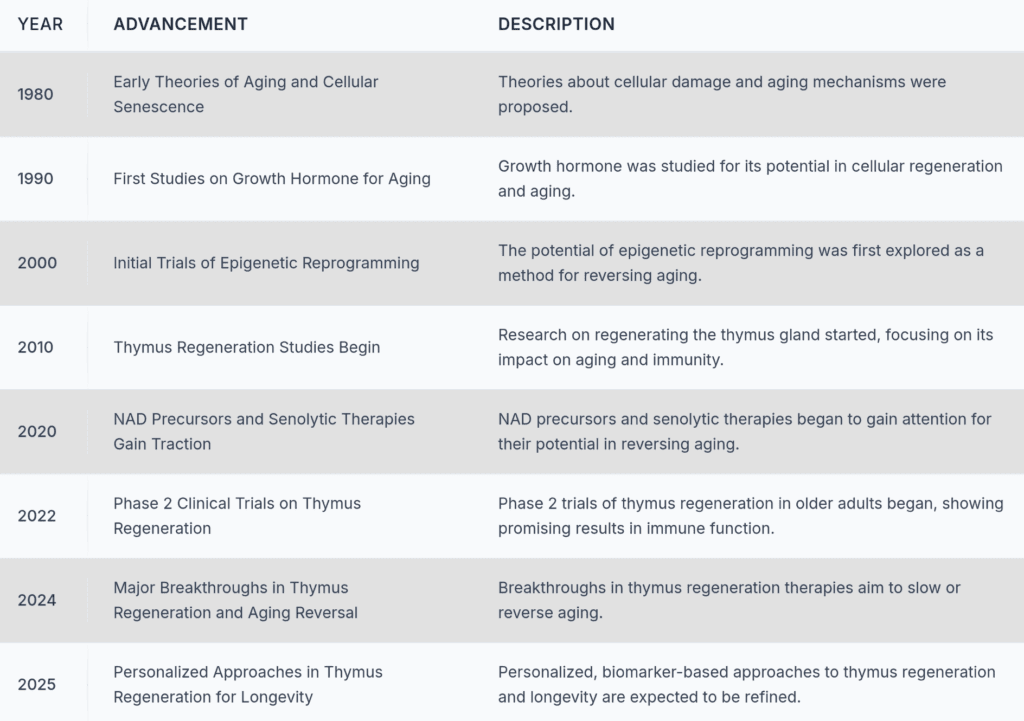
Key discoveries in aging science that brought us to today’s most promising therapies and trials
The Path Forward: A Future of Longevity and Healthspan
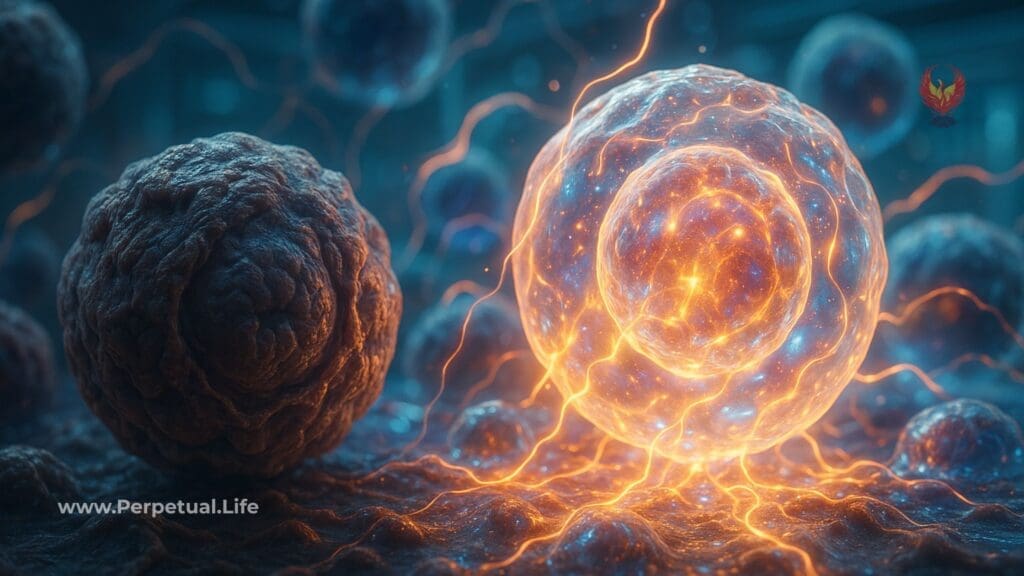
As the world continues to advance in longevity research, the potential for regenerative
therapies to extend our healthspan has never been greater. The possibilities offered by
thymus regeneration, growth hormone therapy, DHEA supplementation, and NAD
precursors present exciting opportunities for people to live longer, healthier lives. Senolytics
and epigenetic reprogramming could further complement these therapies, leading to
comprehensive age reversal strategies that target multiple aspects of the aging process.
But these advancements will not come without challenges. There are still many questions to
answer regarding the long-term safety and efficacy of these therapies. As more clinical trials
are conducted and more data is gathered, it will become clearer how these treatments can be
integrated into standard healthcare practices. Personalized medicine will undoubtedly play a
significant role in optimizing the effectiveness of these therapies, ensuring that aging reversal is
not only possible but accessible to everyone.
Frequently Asked Questions (FAQs) related to the topics of longevity,
thymus regeneration, and biological aging:
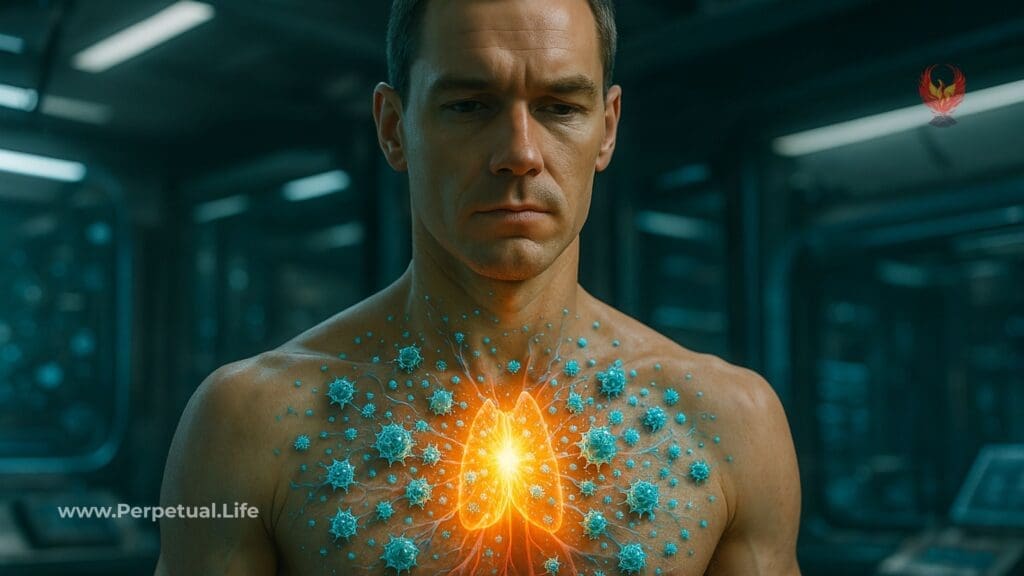
Q: What is thymus regeneration, and why is it important for aging?
A: Thymus regeneration refers to the process of rejuvenating the thymus gland, which is crucial
for immune function. As we age, the thymus shrinks and loses its ability to produce immune
cells, leading to a weakened immune system. Regenerating the thymus can help restore
immune function, reverse biological aging markers, and potentially extend healthspan, reducing
the risk of age-related diseases.
Q: How does growth hormone play a role in thymus regeneration?
A: Growth hormone plays a vital role in stimulating the production of immune cells in the
thymus, which helps regenerate the thymus and rejuvenate the immune system. It has been
shown to support thymus regeneration, improve immune function, and possibly reverse some
aspects of biological aging.
Q: What is DHEA, and how does it help with aging?
A: Dehydroepiandrosterone (DHEA) is a hormone produced by the adrenal glands. It is
important for immune system function and has been shown to help maintain energy levels,
prevent insulin resistance, and support thymus regeneration. When used in combination with
growth hormone, DHEA can mitigate the potential side effects of insulin resistance associated
with growth hormone supplementation.
Q: What are NAD precursors, and how do they help with aging?
A: Nicotinamide adenine dinucleotide (NAD) is a coenzyme found in every cell, crucial for
energy production and overall cellular health. NAD levels naturally decline with age, contributing
to age-related cellular damage. NAD precursors such as nicotinamide riboside (NR) and
nicotinamide mononucleotide (NMN) help restore NAD levels, which may improve energy
production, boost cognitive function, and enhance cellular repair processes, contributing to
aging reversal.
Q: What are senolytic drugs, and how do they help reverse aging?
A: Senolytic drugs are designed to target and eliminate senescent cells—cells that have
stopped dividing but still contribute to chronic inflammation and tissue dysfunction. By removing
these damaged cells, senolytics reduce inflammation, improve tissue function, and may help
reverse age-related diseases, contributing to healthier aging and increased lifespan.
Q: What is personalized medicine, and how does it apply to aging?
A: Personalized medicine involves tailoring medical treatments to the specific needs of an
individual, often based on their genetic profile, biomarkers, and health status. In the context of
aging, this approach allows for more targeted and effective treatments, ensuring that therapies
like thymus regeneration, growth hormone, and senolytics are tailored to an individual’s
unique biological needs.
Q: Can aging be fully reversed?
A: While full reversal of aging is not yet possible, recent scientific advancements suggest that
aspects of aging can be reversed or significantly slowed down. Technologies like thymus
regeneration, NAD precursors, growth hormone therapies, and senolytic drugs show great
promise in rejuvenating the body’s systems and improving healthspan, or the period of life
spent in good health.
Q: What is healthspan, and why is it important?
A: Healthspan refers to the portion of a person’s life during which they remain healthy, free
from chronic disease, and capable of maintaining a high quality of life. Unlike lifespan, which
refers to the total number of years lived, healthspan focuses on the quality of those years. Extending healthspan through regenerative therapies and aging reversal strategies is a key
focus of modern longevity research.
Q: How does thymus regeneration affect immune health in older adults?
A: Thymus regeneration helps restore the production of T-cells, the immune cells responsible
for defending the body against infections and diseases. As people age, the thymus shrinks,
leading to fewer T-cells and weaker immune defenses. Regenerating the thymus can improve
immune function in older adults, making them more resilient to infections and diseases and
potentially reversing age-related immune decline.
Q: What are the future prospects of aging reversal therapies?
A: The future of aging reversal therapies looks promising. With breakthroughs in thymus
regeneration, NAD precursors, senolytics, and personalized medicine, the possibility of
extending both lifespan and healthspan is becoming more achievable. As scientific research
advances, we can expect even more targeted and effective treatments, with the potential for
age reversal becoming increasingly realistic.
These FAQs address some of the most important questions surrounding aging, thymus
regeneration, and the cutting-edge therapies designed to slow down or reverse the aging
process. If you have more questions or want to learn more, feel free to dive deeper into the
exciting field of longevity science.
POLL:
As we look to the future, this widescreen view captures the momentum of longevity research
and what lies ahead.
Chart: Timeline of Age Reversal & Longevity
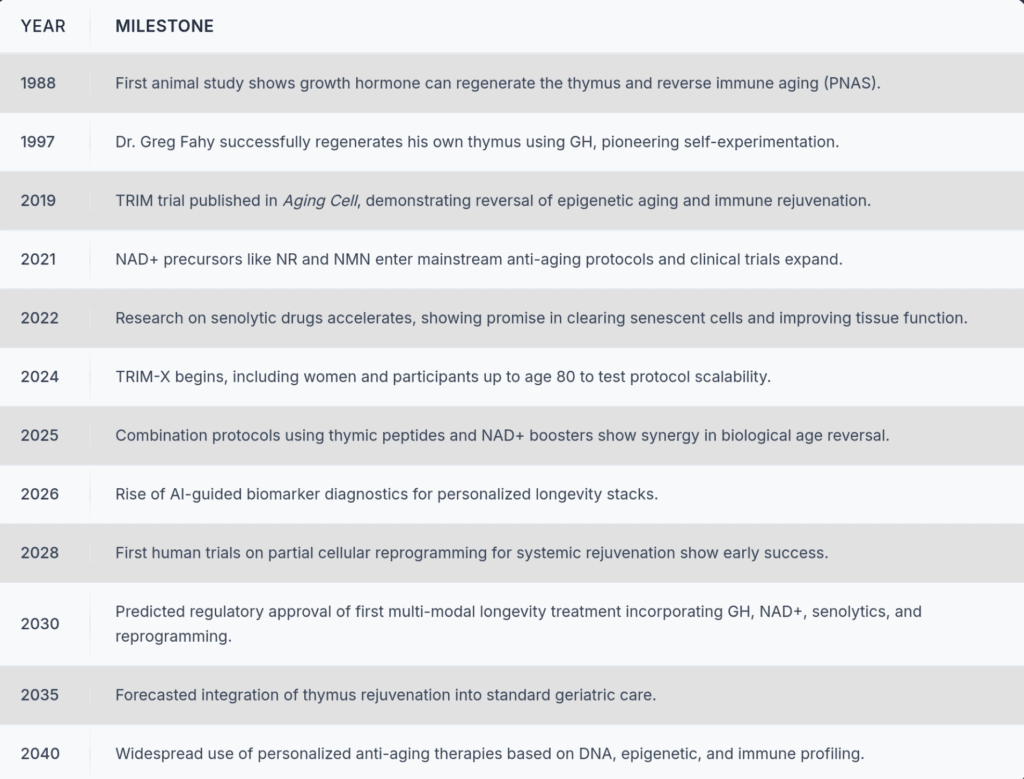
*Roadmap from past breakthroughs to the coming era of personalized, regenerative age reversal
therapies.
Quiz:
Embrace the Future of Aging
Are you ready to take control of your aging process and embrace a future of longevity and
healthspan extension? The advancements in thymus regeneration and anti-aging therapies
hold the promise of a brighter, healthier future for all of us. Stay informed about the latest in
longevity science and biological aging research.
Start taking steps today toward optimizing your health by exploring the therapies discussed in
this article. From personalized medicine to cutting-edge treatments, the future of aging is full of
promise and possibility. Don’t wait for tomorrow—act today and invest in your longevity for a
healthier, longer life.
“The future of aging is not about slowing down—it’s about reversing
the effects of time and living healthier, longer lives.” – Dr. Gregory
Fahy
By embracing regenerative medicine, thymus regeneration, and cutting-edge therapies, we
have the tools to radically extend our healthspan and reverse the effects of aging. Explore
these advancements today and join the movement toward a healthier, longer life.
Want to meet Dr. Greg Fahy and explore the future of aging reversal in person?
Join us at RAADfest 2025 in Las
Vegas, July 10–13 — where science
meets longevity. Reserve your spot
today and be part of the revolution
against aging:
Longevity & Age Reversal Science |
RAADfest 2025 Vegas
Disclaimer: This article is for informational and educational purposes only and does not constitute
medical advice. Always consult with a qualified healthcare provider before starting any new therapy or
supplement.
Credit: Original insights from an RAADcast episode featuring Dr. Gregory Fahy, uploaded April 2,2025. In collaboration with ChatGPT, help create content, images and diagrams.
References supporting the information discussed:
- Dr. Gregory Fahy’s Research on Thymus Regeneration:
○ Fahy, G. M., et al. (2019). Reversal of epigenetic aging and
immunosenescent trends in humans. Aging Cell, 18(6), e13028.
Link
- Role of NAD+ in Aging:
○ Poljšak, B., & Kovač, V. (2023). The Central Role of the NAD+
Molecule in the Development of Aging and the Prevention of
Chronic Age-Related Diseases: Strategies for NAD+
Modulation. Antioxidants, 12(1), 88. Link - Thymic Involution and Its Reversal:
○ Fahy, G. M. (2020). Thymus Regeneration TRIIM-X Clinical Trial.
LinkedIn Pulse. LinkLinkedIn
- Senolytic Drugs and Aging:
○ Xu, M., et al. (2022). Targeting Cell Senescence and Senolytics:
Novel Interventions for Aging and Age-Related Diseases.
Frontiers in Cell and Developmental Biology, 10, 873.
LinkPMC+2PMC+2PMC+2
- NAD+ Precursors in Health and Aging:
○ Belenky, P., et al. (2022). Preclinical and clinical evidence of
NAD+ precursors in health and disease. Current Opinion in
Clinical Nutrition & Metabolic Care, 25(1), 59-65.
LinkScienceDirect
- Greg Fahy’s Profile and Contributions:
○ Chace, C. (2022). Regenerating the Thymus: Profile of Greg
Fahy. Forbes. LinkForbes
- Thymus Function and Aging:
○ Fahy, G. M. (2021). Reversing Thymic Involution. Intervene
Immune.
Linkinterveneimmune.com+4interveneimmune.com+4Wikipedia
+4
- Senolytics and Prolongevity Drugs:
○ Baker, D. J., et al. (2024). Clinical studies with drugs and
biologics aimed at slowing or reversing normal aging
processes. Exploration of Targeted Anti-aging Therapies, 2(3),
144-153. LinkExploration Publishing
- Role of DHEA in Aging:
○ Dehydroepiandrosterone. (2023). Wikipedia. Link
- Thymic Involution Overview:
○ Thymic involution. (2023). Wikipedia. Link